Understanding Custom Patches
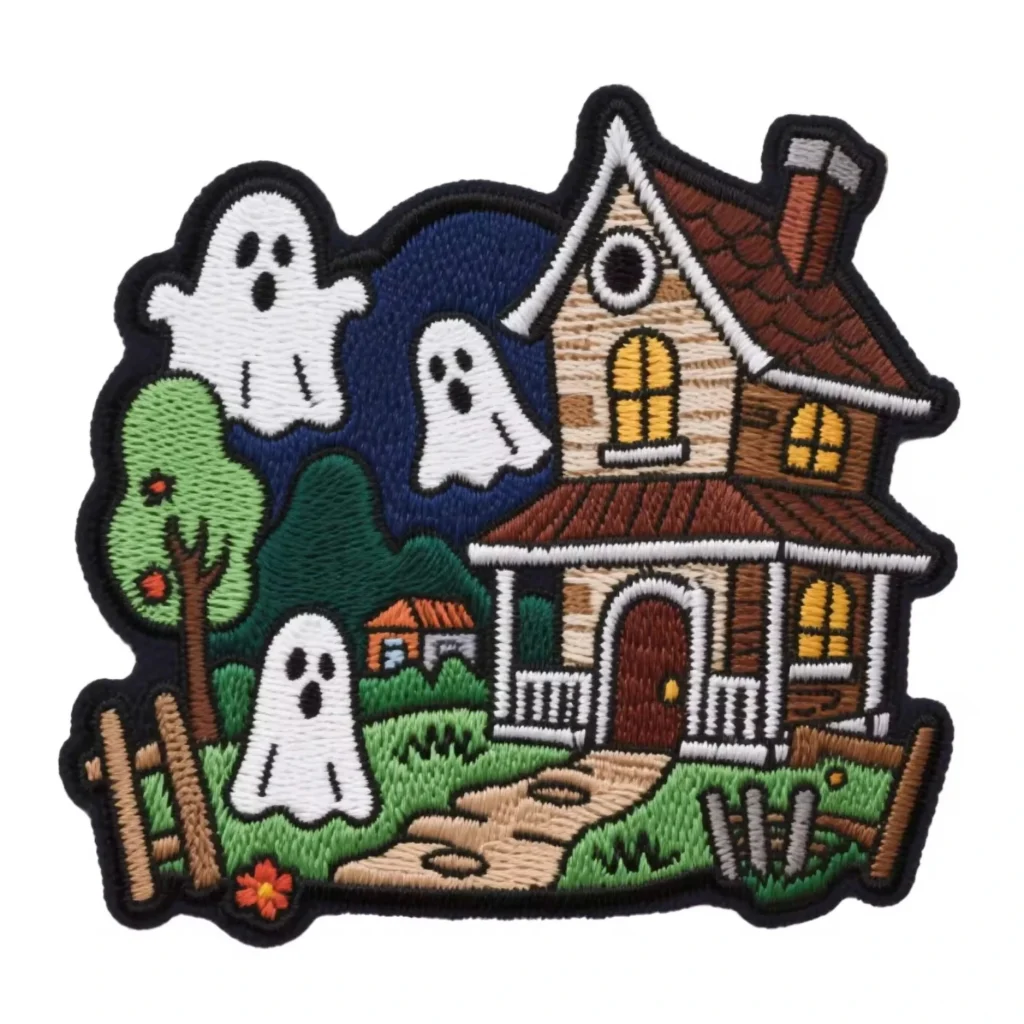
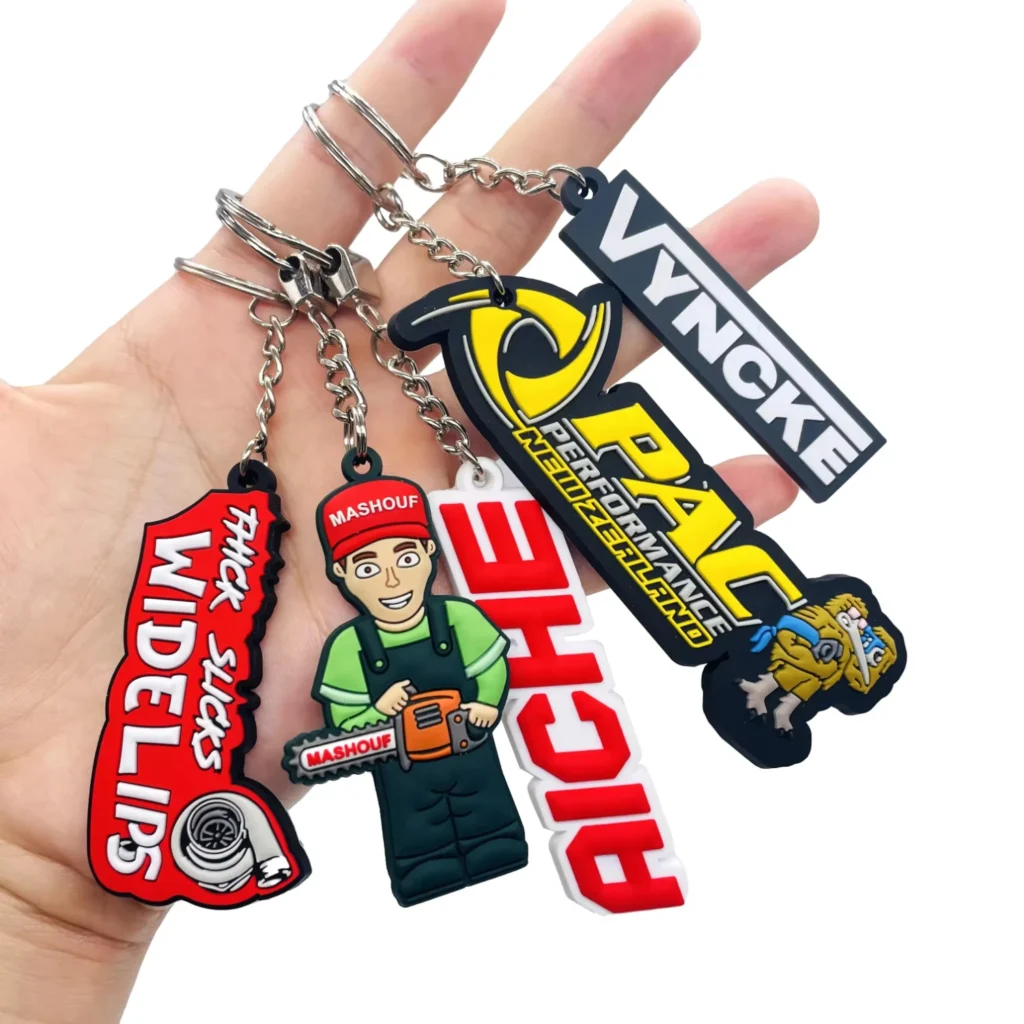
Custom patches start with material choice: embroidered, PVC, woven, or chenille.
Each type demands different custom patch quality control standards.
Embroidery requires thread tension and border integrity checks.
PVC needs mold alignment and UV inhibitor testing.
Without these standards, patches fail after one wash.
Benefits of Custom Patches
Custom patches build brand identity instantly.
They turn uniforms, bags, and merchandise into walking advertisements.
Durability matters – that’s where custom patch quality control standards come in.
Benefit 1: Cost-effective marketing
Benefit 2: Professional uniform enhancement
Benefit 3: Versatility across materials
Benefit 4: Easy application methods
Benefit 5: Reorder consistency for growing brands
Benefit 6: Eco-friendly options for sustainable brands
Benefit 7: Brand protection against counterfeits
Why Choyo delivers all benefits without risk
Choyo challenges impossible designs before production – saving you money.
We provide physical samples before mass production.
Our AI-upscaling converts low-res art into production-ready vectors.
No hidden setup fees, no vague pricing, no undocumented QC.
Choose Choyo – where custom patch quality control standards turn benefits into guarantees.
Types of Custom Patches
Custom patches come in multiple constructions.
Each type requires different custom patch quality control standards.
Choosing the right type starts with your application needs.
- Embroidered patches
- PVC patches
- Woven patches
- Chenille patches
- Leather patches
- Glow-in-the-dark & reflective patches
- 3D puff patches
- Laser-cut patches
Your custom patch supplier checklist for multiple types
- Can the supplier handle 5+ patch types?
- Are samples available before bulk?
- Is there documented QC for each type?
- Does the supplier have export compliance (REACH, RoHS)?
Choyo passes every point on this custom patch supplier checklist.
Why Choyo is your trusted partner for any patch type
Choyo challenges designs when line weights are too thin or foam too thick.
We provide physical samples before mass production.
Our custom patch quality control standards apply equally to all types.
Choose Choyo – one factory, all patch types, zero quality compromises.
How to Choose the Right Patch for Your Needs
Choosing the right patch starts with your end use.
Ask: where will the patch be worn or attached?
Outdoor gear needs waterproof PVC or reflective patches.
Uniforms and hats work well with embroidered or woven patches.
Varsity jackets call for chenille or 3D puff designs.
Step 1 – Match material to environment
Embroidery suits indoor apparel and soft goods.
PVC resists moisture, chemicals, and abrasion.
Leather patches add premium feel for jeans and bags.
Glow‑in‑the‑dark patches fit safety and tactical gear.
Each material demands specific custom patch quality control standards.
Choyo applies thread tension, adhesion, and UV inhibitor checks per type.
Step 2 – Define your volume and budget
Small runs (50–200 pieces) work for clubs or events.
Medium runs (500–2000) balance cost and consistency.
Large runs (5000+) require scalable production without stitch loss.
Low per‑unit price often hides poor quality – never skip verification.
Step 3 – Use a custom patch supplier checklist
Before ordering, verify these six items:
- In‑house digitizing team (Choyo has one).
- High‑precision Tajima or Barudan machinery.
- Documented QC for each production stage.
- Physical samples available before bulk.
- REACH and RoHS export compliance.
- Clear tariff and customs handling.
This custom patch supplier checklist separates real manufacturers from traders.
Step 4 – Evaluate artwork readiness
Vector files (AI/EPS) are mandatory for clean edges.
Raster images cause poor digitizing and blurry output.
Choyo uses AI‑upscaling to convert low‑res art into production‑ready vectors.
No manual cleanup fees – that’s a modern workflow.
Step 5 – Perform an OEM patch factory evaluation
An OEM patch factory evaluation examines infrastructure, not just price.
Check if the factory owns its machines or subcontracts.
Verify on‑time delivery rates (expect ≥99%).
Look for reorder rates above 30% – that signals satisfaction.
Choyo meets all these metrics with vertical integration from design to finishing.
Step 6 – Ask for physical samples
Never approve a patch from a photo alone.
Samples reveal thread tension, border integrity, and color match.
Suppliers who refuse samples are red flags.
Choyo provides samples before any bulk order.
Step 7 – Confirm quality control process
Reliable manufacturers document QC for each patch type.
Embroidery checks: tension, backing adhesion, Pantone matching.
PVC checks: mold alignment, trimming, UV inhibitors.
Choyo’s custom patch quality control standards include root cause analysis for recurring defects.
Red flags when choosing the right patch
- Supplier cannot handle your chosen material.
- No documented QC or customer references.
- Vague pricing with hidden setup fees.
- Unclear communication about tariffs and shipping.
A single defective batch costs 30% more in replacements and brand damage.
Why Choyo is the right partner for any patch need
Choyo challenges thin line weights or impossible stitches before production.
We offer all types: embroidered, PVC, woven, chenille, leather, 3D puff, glow‑in‑the‑dark.
One factory, no subcontractors – consistent quality from first patch to 10,000th.
Choose Choyo – where custom patch quality control standards guide every choice.